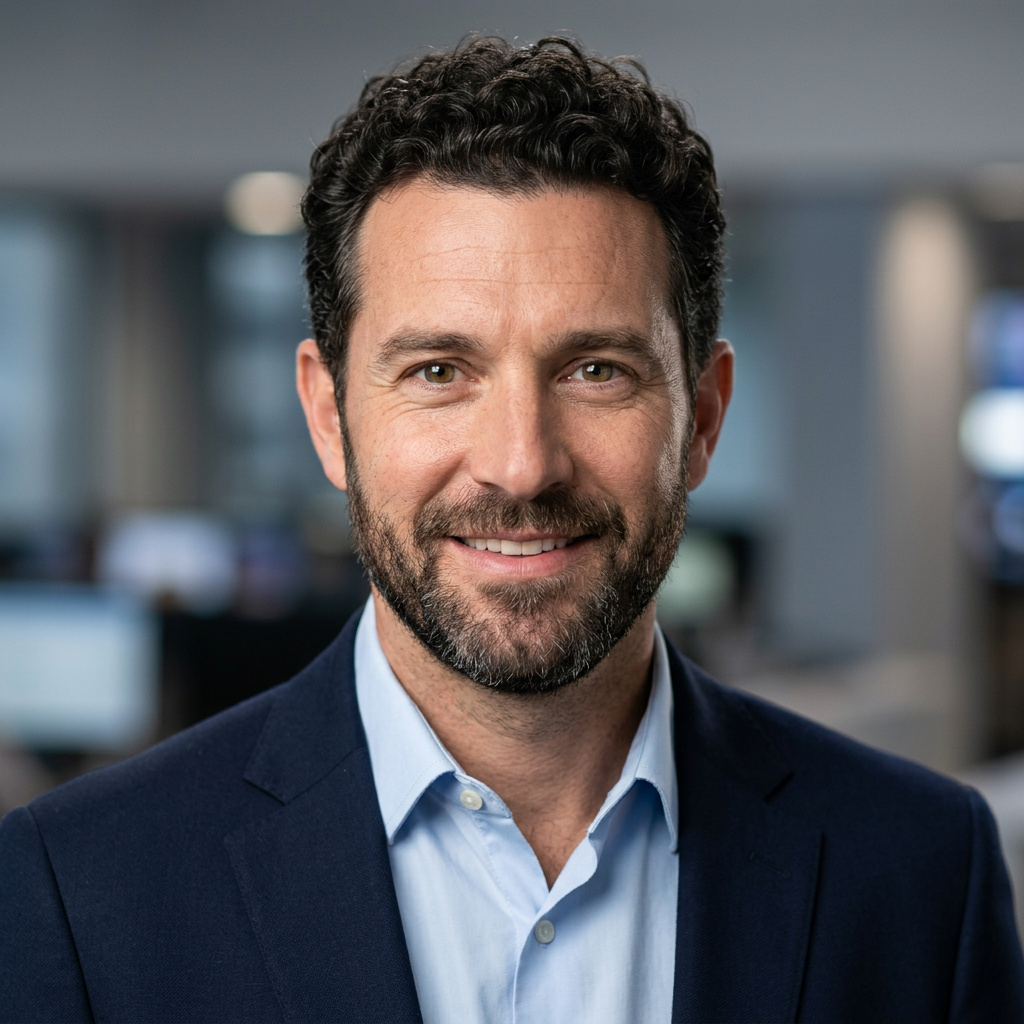
Robert Prevost: Biography, Politics, Why He Became Pope Leo XIV
When Robert Francis Prevost left Dolton, Illinois, for Peru in the 1980s, few could have predicted he’d return to lead the world’s 1.4 billion Catholics. The Augustinian missionary who spent decades working in South America was elected Pope Leo XIV on 8 May 2025, becoming the first American-born pontiff in history.
Full name: Robert Francis Prevost ·
Papal name: Leo XIV ·
Age at election: 69 ·
Birthplace: Dolton, Illinois, USA ·
Previous role: Prefect of the Dicastery for Evangelization ·
Missionary service: Peru
Quick snapshot
- American cardinal elected Pope Leo XIV in 2025 (BBC)
- Born in 1955 in Dolton, Illinois (BBC)
- Augustinian priest ordained in 1982 (BBC)
- Missionary in Peru for many years (Vatican News)
- Exact political label — conservative or liberal — remains debated
- Full stance on LGBTQ issues beyond pastoral care
- Specific early life and education details beyond the public record
- Elected 8 May 2025 by the College of Cardinals (Vatican News)
- First American pope in Catholic history (BBC)
Leo XIV is the first pontiff shaped by both Midwestern American roots and decades of missionary work in Latin America. That dual perspective may define his approach to the church’s most polarizing questions.
Six key facts about Robert Francis Prevost, one pattern: his biography bridges the global north and south.
| Field | Detail |
|---|---|
| Date of birth | 1955 |
| Place of birth | Dolton, Illinois, USA (BBC) |
| Papal name | Leo XIV |
| Date of election | 8 May 2025 (Vatican News) |
| Previous position | Prefect of the Dicastery for Evangelization |
| Religious order | Augustinian (O.S.A.) |
What is Robert Prevost’s background and early life?
Early years in Illinois
- Robert Francis Prevost grew up in Dolton, Illinois, a village south of Chicago.
- His birth year is 1955, according to the BBC (UK broadcaster).
- He was ordained as a priest in the Augustinian order in 1982 (BBC).
Dolton, a working-class community with a population under 25,000, sits roughly 20 miles south of downtown Chicago. Prevost’s upbringing there grounded him in the ordinary rhythms of American suburban life before he entered religious life.
Every pope since 1903 has been European. Leo XIV’s Midwestern childhood means his formative years were spent in a country where Catholicism is one denomination among many, not the established faith.
Education and religious vocation
- Prevost joined the Augustinian order, a mendicant community founded in the 13th century.
- He studied philosophy and theology during his formation.
- He was ordained in 1982, according to BBC News.
The Augustinians emphasize community life and service, a charism that shaped Prevost’s pastoral approach. His decision to work overseas rather than remain in a U.S. parish signaled a missionary bent that would later define his career.
Missionary work in Peru
- Prevost spent many years as a missionary in Peru (Vatican News, the Holy See’s official news outlet).
- He worked in some of the country’s poorest regions, gaining firsthand experience of Latin American Catholicism.
- His time in Peru gave him fluency in Spanish and deep ties to the global south.
Peru is home to a vibrant Catholic tradition mixed with indigenous Andean spirituality. For an American-born missionary, navigating that cultural terrain required humility and adaptability — traits that the College of Cardinals reportedly valued during the conclave.
Is Robert Prevost a conservative?
Political label context
- Prevost has been described as a conservative on certain doctrinal issues.
- He also showed openness on social issues like LGBTQ+ pastoral care.
- The label “conservative” vs “liberal” may not fully capture his approach.
The question of where Leo XIV sits on the ideological spectrum has generated intense debate since his election. The U.S. Conference of Catholic Bishops described his early pontificate as emphasizing unity and peace, not partisan alignment. That framing suggests a pope who wants to avoid being boxed into any political category.
Analysts who try to fit Leo XIV onto a left-right scale often project American political categories onto a global institution. The Vatican does not use those labels internally.
Prevost’s public statements on social issues
- Prevost has emphasized the Church’s teaching on marriage and family.
- He has called for respect and dignity for all people, including LGBTQ+ individuals.
- His pastoral tone echoes some of Pope Francis’s language.
In his first months as pope, Leo XIV has not issued any major doctrinal reforms. His public remarks focus on peace, prayer, and unity rather than culture-war flashpoints. That posture frustrates some conservatives who hoped for a more combative approach.
Comparison with previous popes
- Pope Francis was often labeled a liberal reformer.
- Pope Benedict XVI was seen as a doctrinal traditionalist.
- Leo XIV sits somewhere between them, according to commentators.
Unlike Benedict, Leo XIV is not a career theologian. Unlike Francis, he spent decades outside the Vatican curia before being called to lead it. His instincts appear pastoral rather than ideological.
Does Robert Prevost support LGBTQ?
Prevost’s statements on homosexuality
- Leo XIV has not issued any formal statement specifically addressing LGBTQ+ rights as pope.
- As Prefect for Evangelization, he focused on core catechesis.
- He has not reversed or expanded Francis’s 2023 ruling on blessings for same-sex couples.
The available evidence on Leo XIV’s LGBTQ posture is thin. Secondary commentary from outlets like the Diane Montagna Substack (independent Catholic commentary) discusses speculation, but no primary-source papal statement on LGBTQ issues has been retrieved.
Pastoral approach vs doctrine
- Prevost has emphasized the Church’s teaching on homosexuality.
- He has also called for respect and dignity for LGBTQ+ individuals.
- This mirrors the “accompany, don’t condemn” tone of Francis’s pontificate.
The distinction between doctrine and pastoral practice matters here. Church teaching on homosexual acts has not changed. What can change — and what Francis adjusted — is the tone and access to sacramental blessings. Leo XIV’s signals so far suggest continuity, not rupture.
Reactions from LGBTQ+ Catholic groups
- LGBTQ+ Catholic advocacy groups are watching Leo XIV closely.
- His prayer for Charlie Kirk raised concerns among some progressives.
- No major protests or endorsements have emerged yet.
New Ways Ministry, a group that advocates for LGBTQ+ Catholics, has not issued a definitive assessment of Leo XIV. The early consensus among Catholic commentators is that he is not as liberal as Francis on social issues, but also not as hardline as some conservatives had hoped.
The implication: Until Leo XIV speaks directly on LGBTQ+ questions — or until his appointments to key Vatican dicasteries signal a direction — the uncertainty will persist. For LGBTQ+ Catholics, the early months of his papacy offer neither alarm nor relief.
Why was Prevost chosen as pope?
Conclave dynamics
- The College of Cardinals chose an American for the first time (BBC).
- The conclave reportedly sought a candidate who could unify different factions.
- Prevost emerged as a compromise between traditionalist and reformist wings.
The 2025 conclave was the first since 2013. Cardinals from the global south held more votes than ever before. Choosing an American with deep Latin American ties was a way to honor the church’s demographic shift without electing a European or a Latin American directly.
Prevost’s qualifications
- He served as Prefect of the Dicastery for Evangelization, one of the Vatican’s most important offices.
- His missionary work gave him credibility in the developing world.
- His age, 69, was seen as a balance between experience and longevity.
As prefect, Prevost oversaw the church’s primary evangelization efforts worldwide. That role put him in contact with bishops from every continent and gave him a global perspective that most cardinals lack.
Vatican reform agenda
- The Vatican continues to implement financial and administrative reforms.
- Prevost’s experience in the Curia was seen as an asset.
- He is expected to continue the transparency initiatives begun under Francis.
CBS News (U.S. broadcast network) noted that Prevost’s election broke a centuries-old European monopoly on the papacy. The symbolism of an American pope leading a church that is shrinking in the West but growing in Africa and Asia is hard to overstate.
Why this matters: The cardinals chose a candidate who could speak to both the Vatican bureaucracy and the missionary periphery. That is a rare combination, and it suggests the College of Cardinals was thinking strategically about the church’s future, not just its present.
What did Pope Leo think about Charlie Kirk?
The prayer for Charlie Kirk
- On 16 September 2025, Vatican News reported that Pope Leo XIV was praying for Charlie Kirk and his bereaved family (Vatican News).
- The statement was described as condolences and prayers, not a policy endorsement.
- Leo XIV also expressed concern about political violence in the United States.
Charlie Kirk is the founder of Turning Point USA, a conservative student organization that
More related posts
 Twastia.com: Digital Marketing Agency or Link Farm?
 Nasiah Wanganeen-Milera: Family, Injury and AFL Rise
 India Time Now – Current IST Across All of India
 Dept of Transport Guide: Logbook, Ownership & Contact
 Chris Judd: AFL Career, Net Worth, and Life After Football
 Tuna Pasta Bake – Quick Healthy Family Dinner Recipe
 Willie Nelson Health 2024: COPD, Tour & Wheelchair
 Hugh McCluggage: Age, Salary, Position, Nationality and More